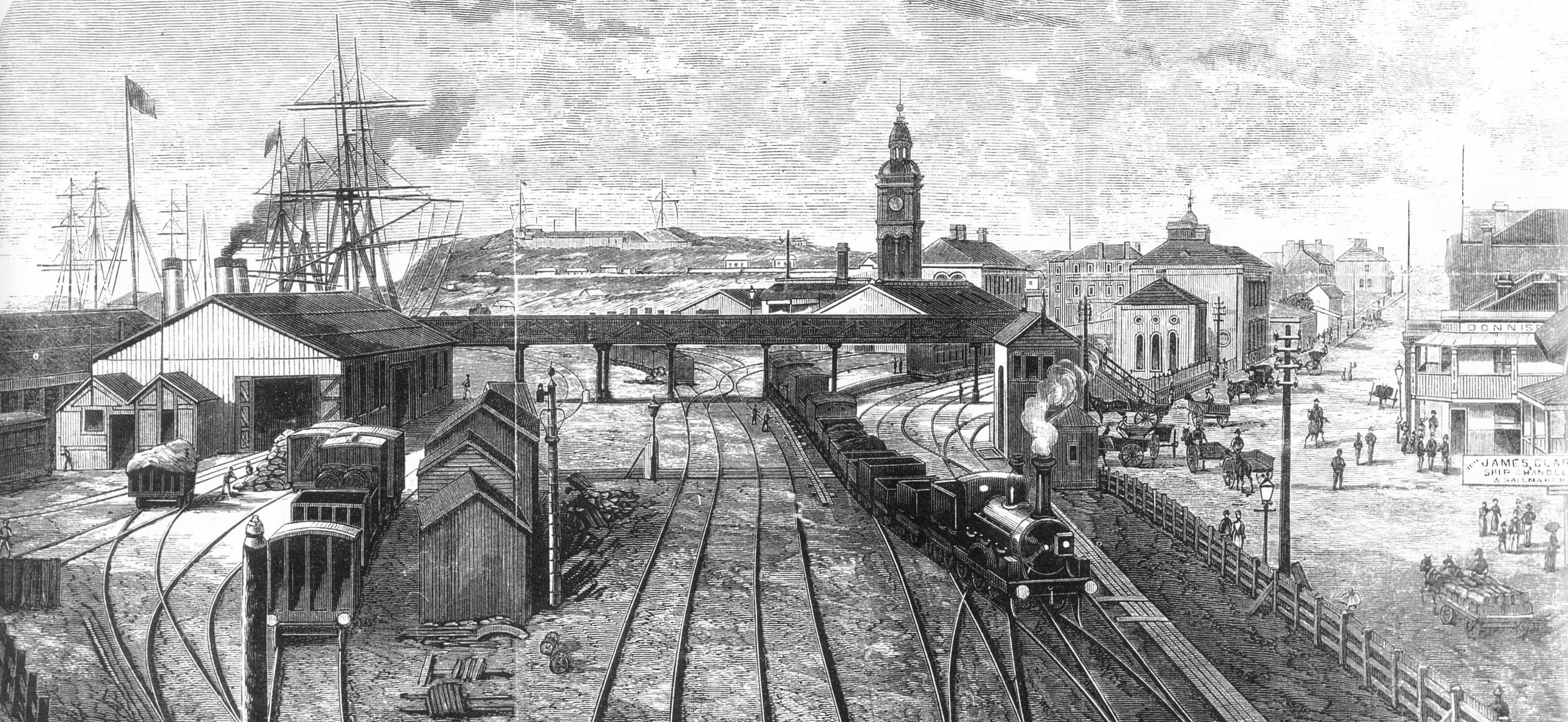
In the spring of 1839, Sydney was a settlement intoxicated by speculative commerce, land booms, and an influx of British capital. The waterfront at Sydney Cove hummed with timber wharves, cooperages, and the hammering of shipwrights. Among those seeking a foothold in this turbulent colonial economy was twenty-year-old Thomas Adam, an apprentice-trained carpenter recently arrived from Scotland. He had barely accustomed himself to the dusty clamour of the town when he was swept into one of the most audacious scandals in early colonial history.
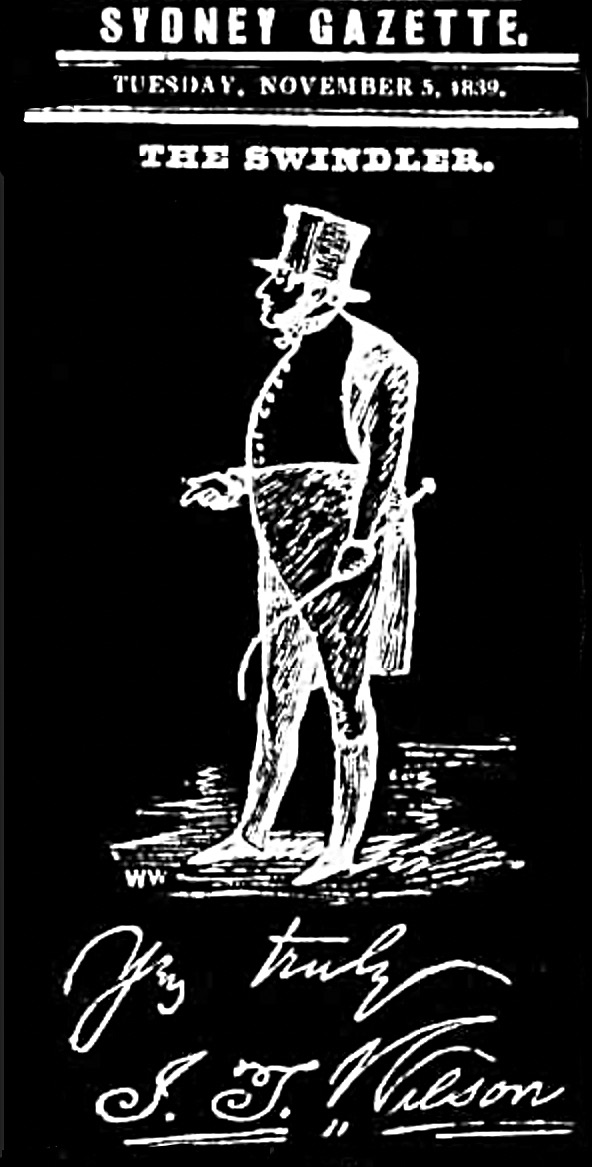
Sydney society was transfixed by the rise of John Thomas Wilson. A charismatic ironmonger on George Street, Wilson had expanded rapidly into shipping syndicates, auction houses, and theatrical management. He projected an air of boundless civic prosperity, cultivating friendships with magistrates and leading merchants. Yet behind this veneer of commercial respectability lay an intricate web of forged bills of exchange, kited paper, and fabricated credit balances. By late September 1839, the financial facade began to buckle under the weight of pressing obligations.
Rather than face insolvency and penal servitude, Wilson engineered an astonishing escape. In total secrecy, he chartered the schooner Nereus, slipping provisions, casks of champagne, fine plate, and kegs filled with an estimated £20,000 to £30,000 in sovereigns aboard under cover of darkness. In late October, accompanied by his mistress and several confederates, Wilson slipped quietly out past South Head and into the vast Pacific. When his creditors and the directors of the Bank of Australasia realized the scale of the default on the following morning, the colony erupted into fury.
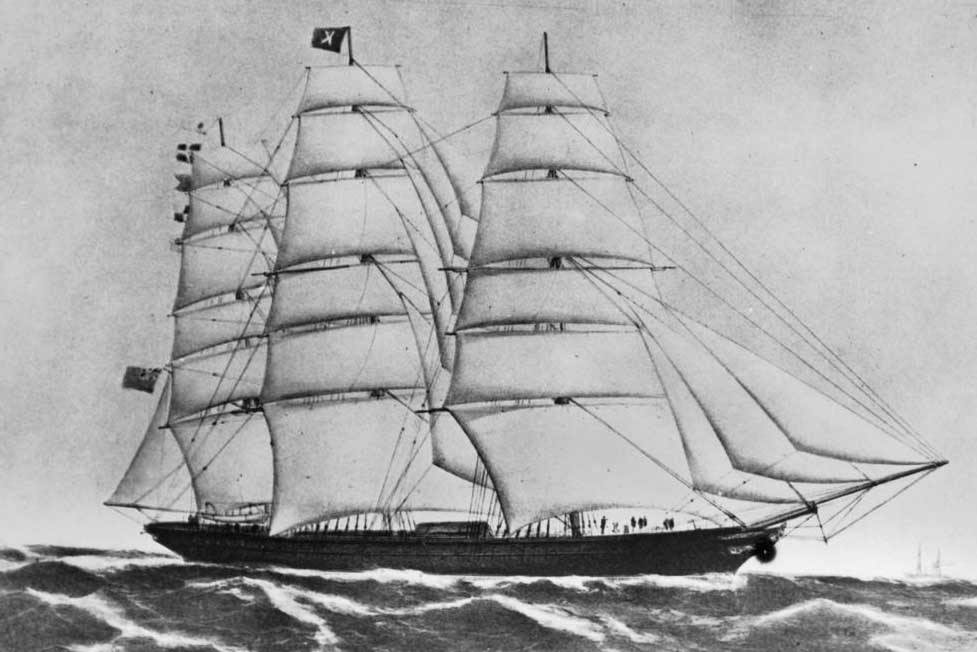
Determined to retrieve their plunder and bring the fugitive to justice, a syndicate of duped merchants and bailiffs acted swiftly. The auctioneer brothers Abraham and Samuel Lyons offered their fast trading brig, the Louisa, a stout vessel of more than one hundred feet, to lead an armed trans-Tasman pursuit. With speed essential, experienced mariners and skilled tradesmen were engaged on the waterfront at once. Thomas Adam was signed on as ship’s carpenter, charged with the constant, vital duty of maintaining the vessel’s hull, hatches, and timber works under hard sail.
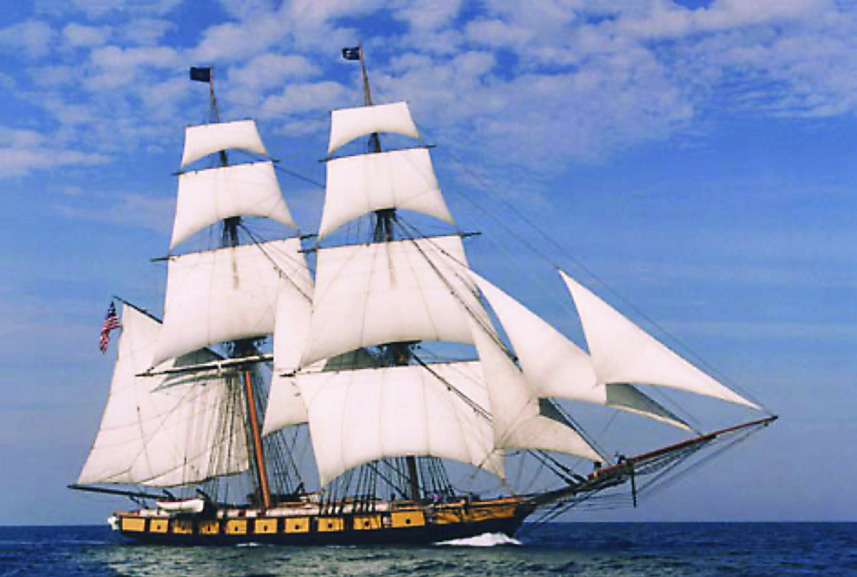
The Louisa cleared Sydney Heads under a press of canvas, steering eastward across the Tasman Sea toward New Zealand. The crossing was notoriously punishing. Spring gales tossed the brig through heavy swells, putting severe strain on her spars and timbers. Below deck and along the slippery weather decks, Thomas was kept busy caulking opened seams, tending the bilge pumps, and securing cargo against the relentless pounding of the sea. It was a baptism of fire for the young Scotsman, testing both his maritime carpentry and his physical fortitude.
The pursuers staked their hopes on intercepting the Nereus at Russell (Kororareka) in the Bay of Islands, then an unruly whaling rendezvous beyond formal British sovereignty and a customary haven for Pacific shipping. But fortune favoured the swindler. When the Louisa finally dropped anchor amidst the whalers and coastal traders of the Bay, the search party learned to their dismay that Wilson had arrived, reprovisioned, and weighed anchor just days ahead of them. The Nereus was already deep into the open Pacific, bound for the Straits of Magellan and the South American port of Valparaiso, far beyond the reach of colonial law.
The Louisa could chase no further. With supplies running short and the trail gone cold, the pursuit was abandoned, and the brig turned back toward New South Wales. By the time Thomas Adam stepped ashore at Sydney Cove in the autumn of 1840, he was no longer an untried immigrant boy. The voyage had endowed him with formidable nautical skill, an intimate understanding of maritime timber, and an unforgettable lesson in the volatile frailties of colonial capitalism. Setting his tools to work on terra firma, Thomas turned his back on speculative flurries to lay the foundations of an enduring, honest building enterprise on colonial soil.