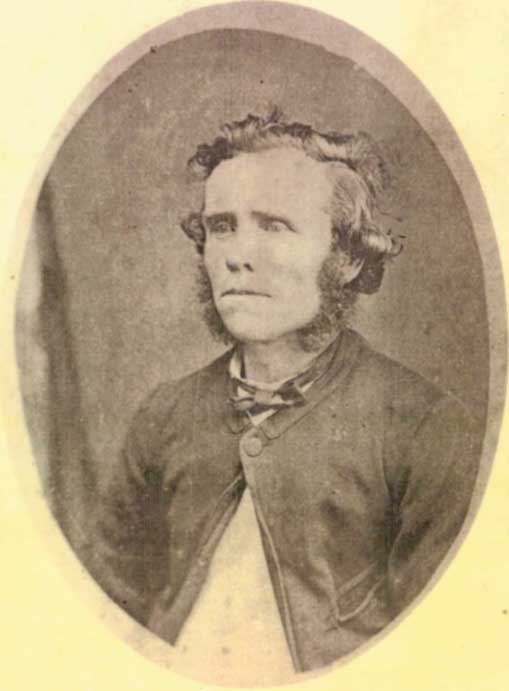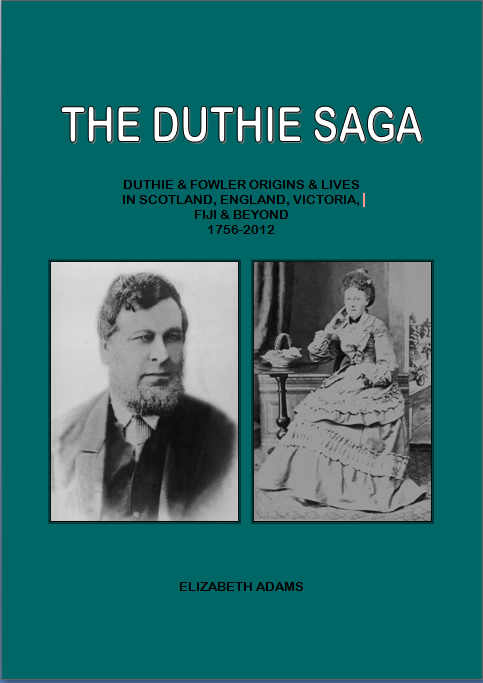
When the siren call of the Victorian goldfields reverberated through the shipyards of Great Britain in the early 1850s, it prompted thousands of men to abandon their trades for the picks and cradles of Mount Alexander and Ballarat. Yet for experienced seamen raised on the temperamental waters of the North Sea, the greatest fortunes were often perceived not in the gravel of the creek beds, but upon the coastal sea lanes supplying a colony ravenous for goods.
Brothers Findlay and William Duthie were master mariners of the highest pedigree, intimately bound to the celebrated shipbuilding yards of Footdee—affectionately known as ‘Fittie’—at the mouth of Aberdeen Harbour. Imbued with the meticulous craft of their kinsmen, who were pioneering the sleek lines of the Aberdeen clipper, the brothers resolved to mount their own independent venture to the antipodes. In the spring of 1853, they secured the two-masted wooden clipper schooner Gem.
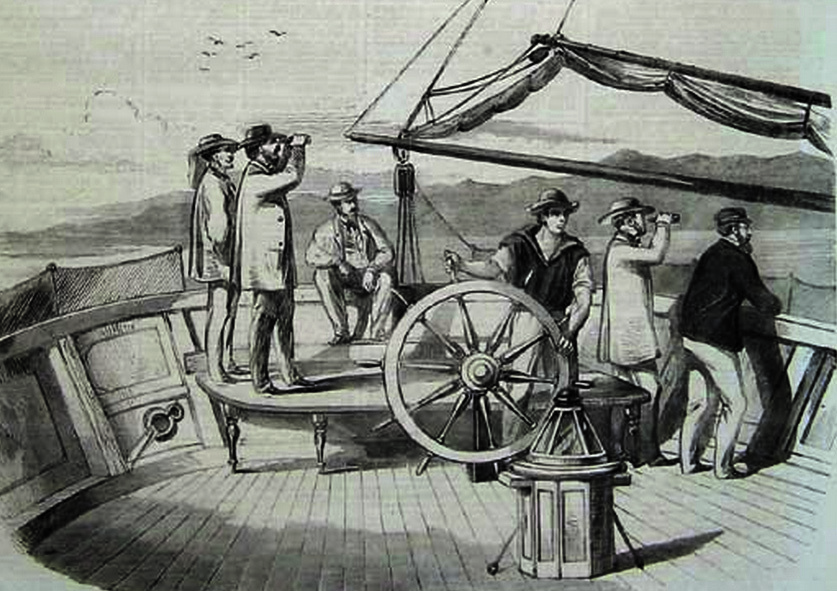
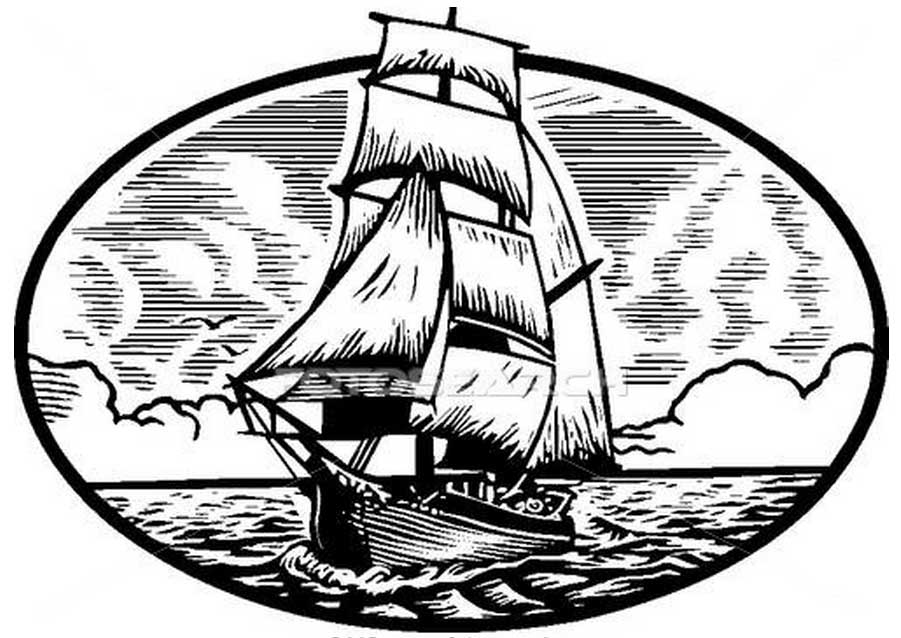
Registered at barely one hundred tons register, the Gem was a compact yet thoroughly capable craft. Built with an iron clinch, copper fastenings, and adorned with a modest female scroll figurehead, she represented the apex of small-scale commercial naval architecture. Findlay took command as master, while his younger brother William signed on as first mate. Leaving his wife, Jane Duthie (née Brown), and their young children temporarily sheltered in the bustling maritime community of Sunderland, Findlay turned the schooner’s bows toward the open sea in May 1853.
The Gem’s hold was crammed with speculative mining gear, ironmongery, apparel, and durable provisions destined for the Melbourne markets. A voyage of over 13,000 nautical miles in so small a vessel was a severe test of seamanship. Driving down through the Atlantic doldrums and around the Cape of Good Hope, the schooner plunged directly into the howling westerly gales of the Roaring Forties. Running before monstrous southern ocean swells that regularly dwarfed her low freeboard, the compact schooner demonstrated remarkable buoyancy and grace, logging over one hundred days at sea before picking up the pilot off Port Phillip Heads in August 1853.
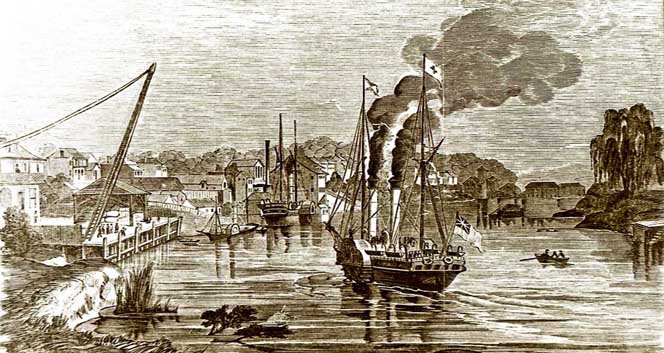
Upon dropping anchor in Hobson’s Bay, the Duthies encountered a surreal spectacle: a vast armada of square-rigged ships, barques, and clippers swinging idly at their moorings. Hundreds of vessels lay virtually abandoned by their crews, who had slipped over the side under the cover of night to bolt for the diggings. For men less disciplined, the temptation to join the rush would have been irresistible.
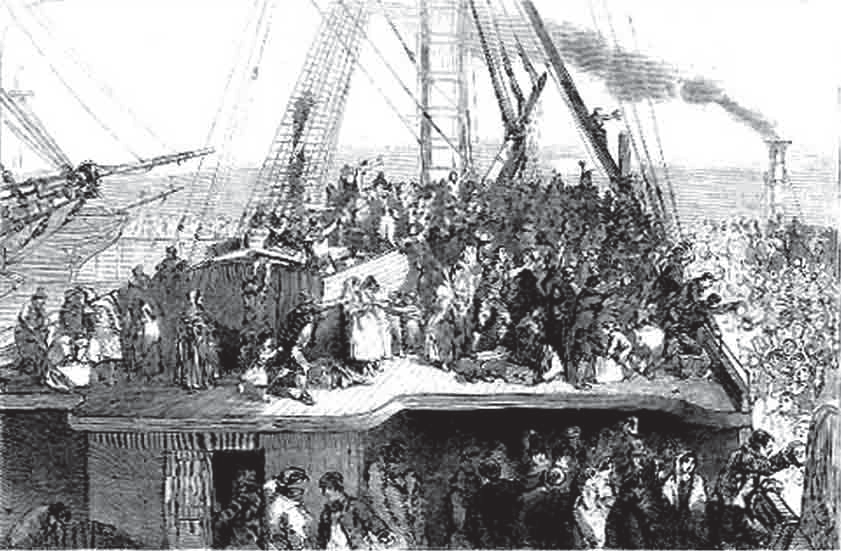
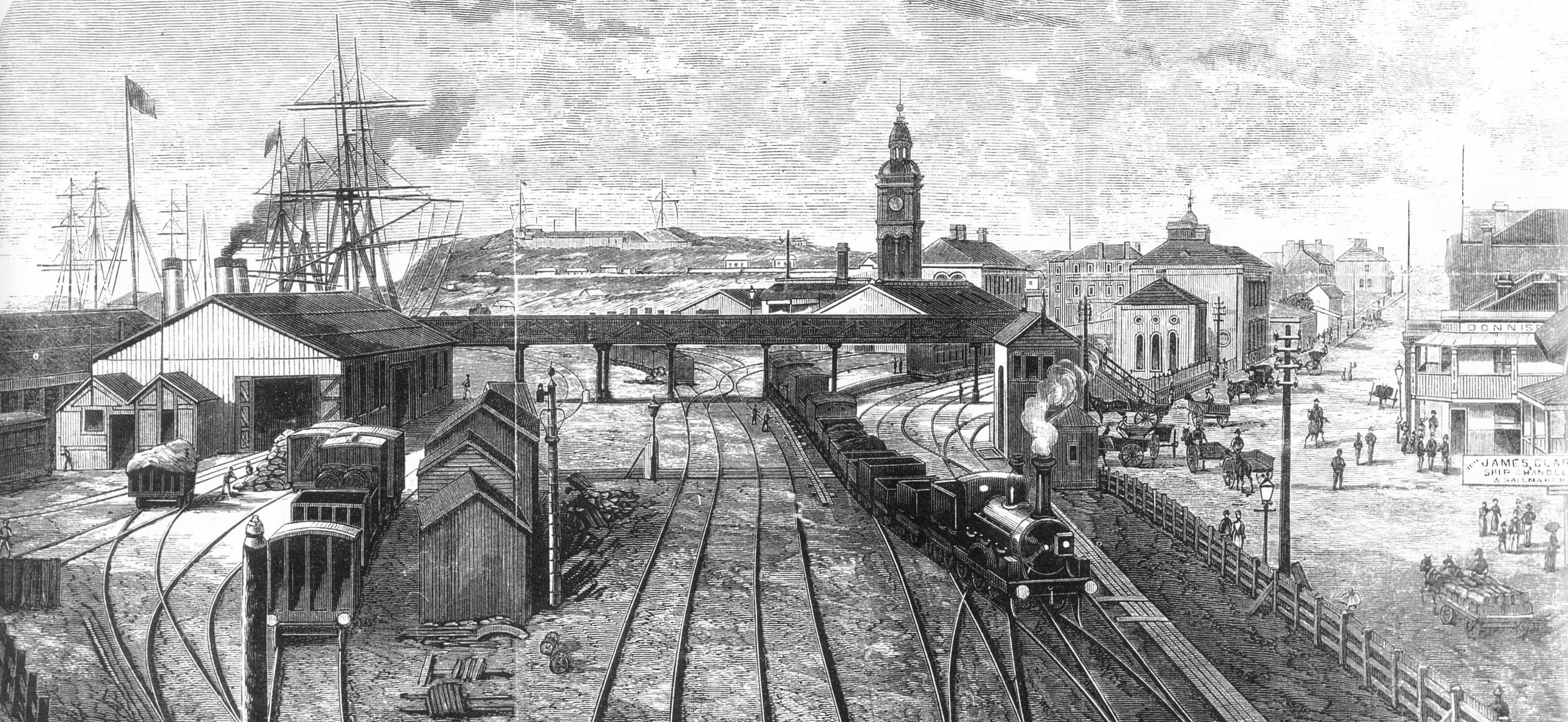
The Duthie brothers, however, possessed the sober commercial acumen of their Scottish heritage. Discharging their cargo onto the crowded wharves of the Yarra at exorbitant gold-rush prices, they immediately perceived that freight rates in the intercolonial trade were skyrocketing. Melbourne was crying out for building timber from Van Diemen’s Land, coal from Newcastle, and fresh provisions from every port within reach.
Rather than permitting the Gem to rot at anchor, the brothers put her straight to work in the coastal trade. Navigating the treacherous tides of Bass Strait and the volatile eastern seaboard, they built a reliable and highly profitable cabotage enterprise. In due course, William Duthie presented himself before the colonial marine board, secured his master’s certificate of competency, and assumed independent command of the schooner, while Findlay managed their expanding commercial interests from the shore.
By 1857, the foundation was sufficiently secure for Findlay to summon his family from the northeast of England. Jane and the children made the long passage south, reuniting the household in Melbourne. While many who had chased the alluvial diggings departed the colony broke and disillusioned, the Duthies leveraged their North Sea seafaring heritage into a durable maritime dynasty that would serve colonial Victoria for generations.