Firsts and Fame

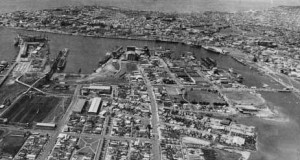
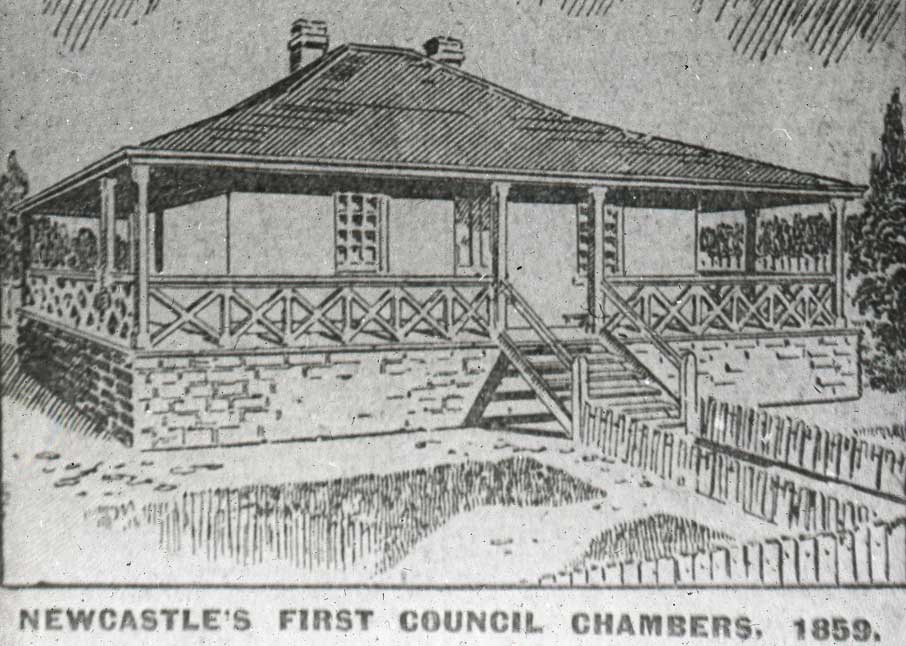
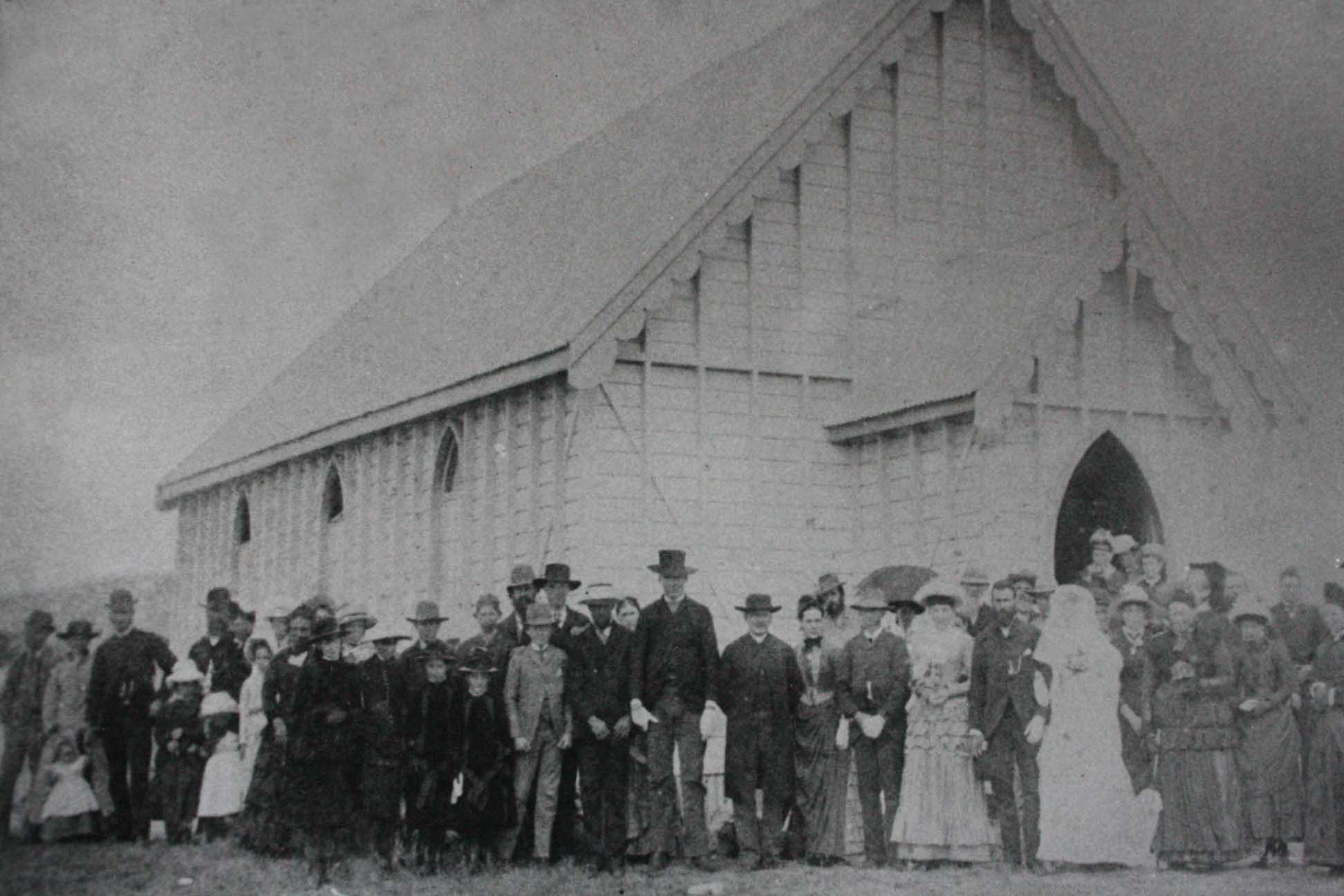
Colonial families prided themselves on their often unproven claims to be ‘first’.  Thomas Adam claimed that he was the first to navigate the entrance to Lake Macquarie in his pursuit of trading timber cut near Dora Creek. Born in 1861, his youngest son Andrew Adam was the first white child to be born at Carrington, Newcastle, then named Bullock Island.  Thomas was the first to purchase land there which crossed the island and can be seen in the 1974 photo at an angle to modern streets. In 1858 Thomas Adam was appointed by the Executive Council as a patron of the first non-vested National School in Newcastle. He was also elected to the first Municipal Council in Newcastle and  Adamstown was named after him in 1869 after he purchased 54 acres of Crown Land there. Another claim to fame was Jeanette McAllister and Hugh Campbell’s wedding in 1886, the first to be held in the newly built Tenterfield Presbyterian Church.
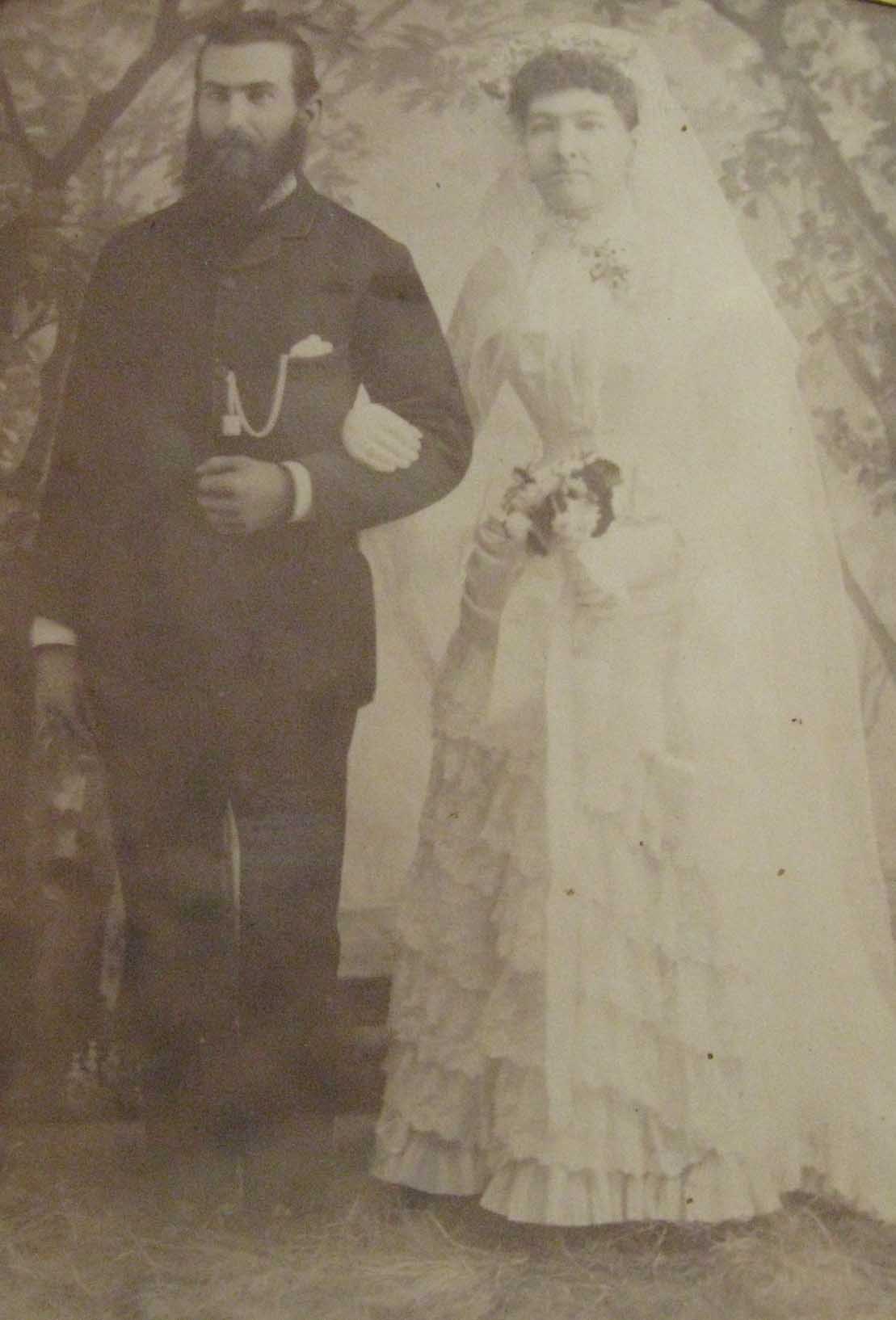
Hugh & Jeanette 1886
The wedding, Tenterfield Presbyterian Church 1886

Bankruptcy

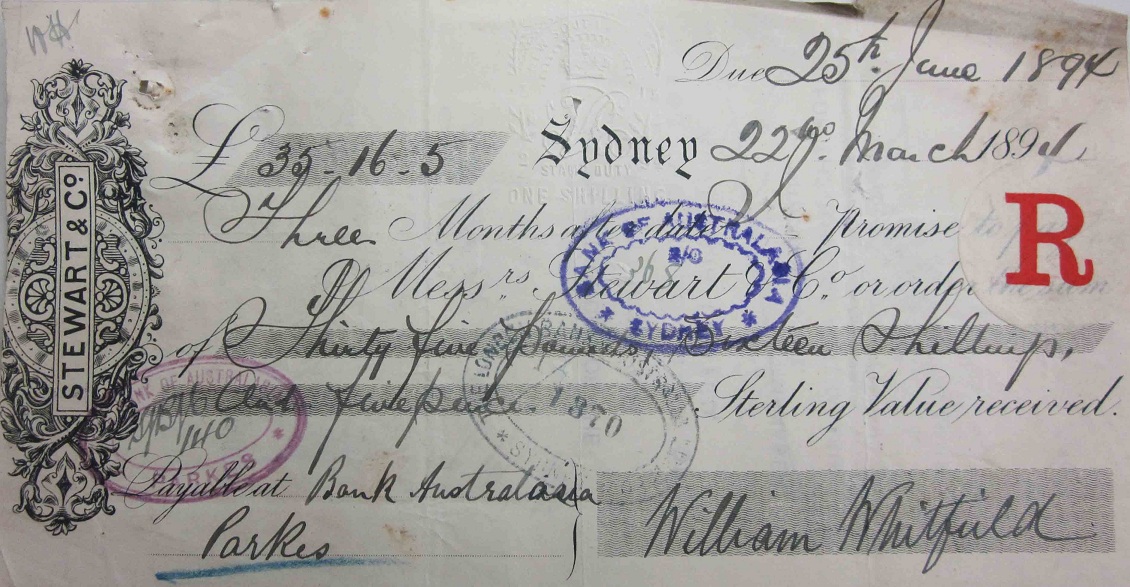
William Whitfield’s 1894 promissory note

Australian immigrants have generally been enterprising but opportunities were always associated with risks which led to economic failure and all the attendant consequences. Some ancestors survived more than one insolvency but others were ruined for life. Insolvency in 1845 did not hinder Thomas Adam‘s building interests in Newcastle and while a subsequent bankruptcy in 1874 through investment in tin mining near Tingha was a setback, he started a profitable saw milling venture at Raymond Terrace.  John Adams was far less fortunate. Being a pioneer of the Alstonville district meant that despite successful clearing of the Big Scrub on his property, sugar growing was in its infancy and processing was primitive and costly. Bankruptcy in 1876 cost him his conditional land purchase. The family fortunes never recovered and a second bankruptcy in 1899 was the last straw. Edward Scrivener, initially a successful draper in George Street Sydney succumbed to economic failure in 1865 and 1869. He never operated his own business again but unlike John Adams’ sons, Edward’s son Frederick Scrivener became a comparatively wealthy man after he moved north to the Richmond River as a storekeeper. Hugh Childs, as a railway construction contractor on the Southern Line, was so mortified that he could not pay his workers in 1863 that he encouraged his sons to become railway employees rather than entrepreneurs. It was advice that sustained the family through the bad times of the 1890s and 1930s Depression. William Whitfield, already a broken man through losing his Pilotage Certificate, escaped his creditors in 1894 by returning to England after the failure of his investment in a Parkes hotel. He died in Hull just six weeks later. His family was left to fend for themselves.

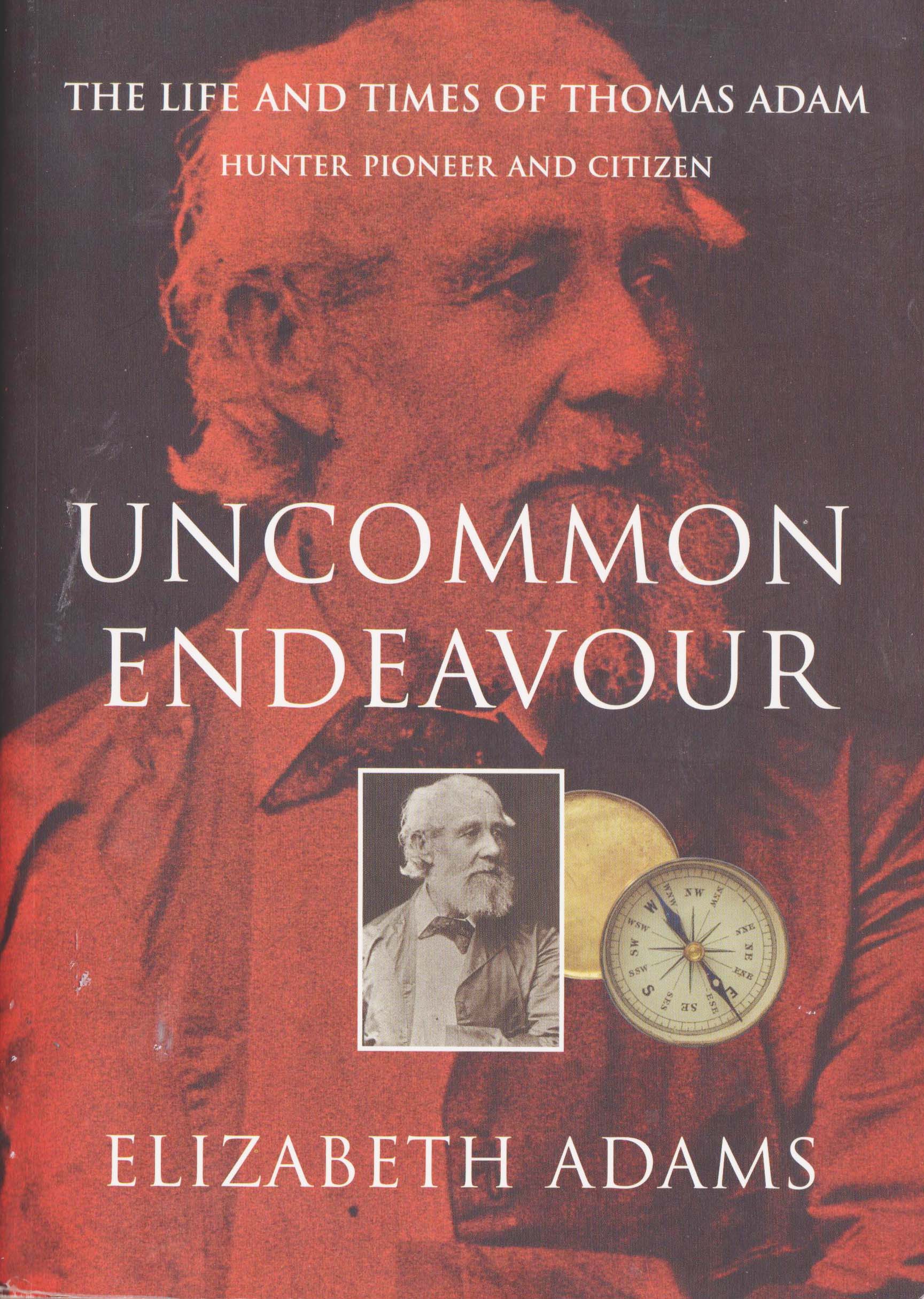
Uncommon Endeavour

The Life and Times of Thomas Adam, Hunter pioneer and citizen

Published 1998  ISBN 0 646 34952 X

Thomas Adam was a remarkable young man who seized the opportunities for advancement after his arrival in Sydney from Ayrshire, Scotland in 1838. Difficult economic times did not deter him in his pursuit of an independent living as a cabinet maker, then Lake Macquarie timber cutter, Newcastle builder, producer of barges for the coal trade on Bullock Island, Raymond Terrace timber miller and New England tin miner. His role in public life was also impressive as a member of the first Newcastle Council, candidate for the Legislative Assembly, Raymond Terrace Mayor,  education reformer and general political and economic pundit.

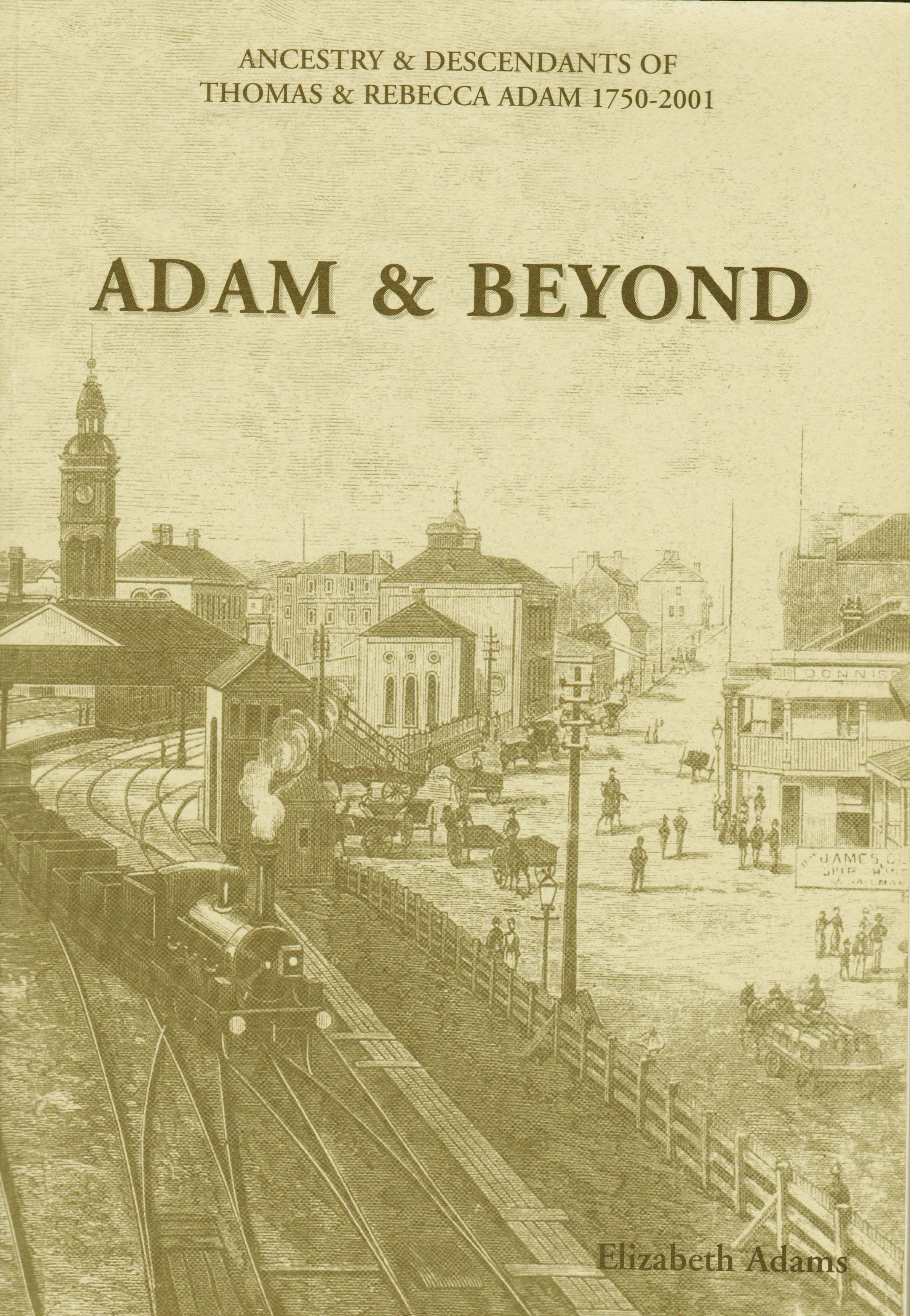
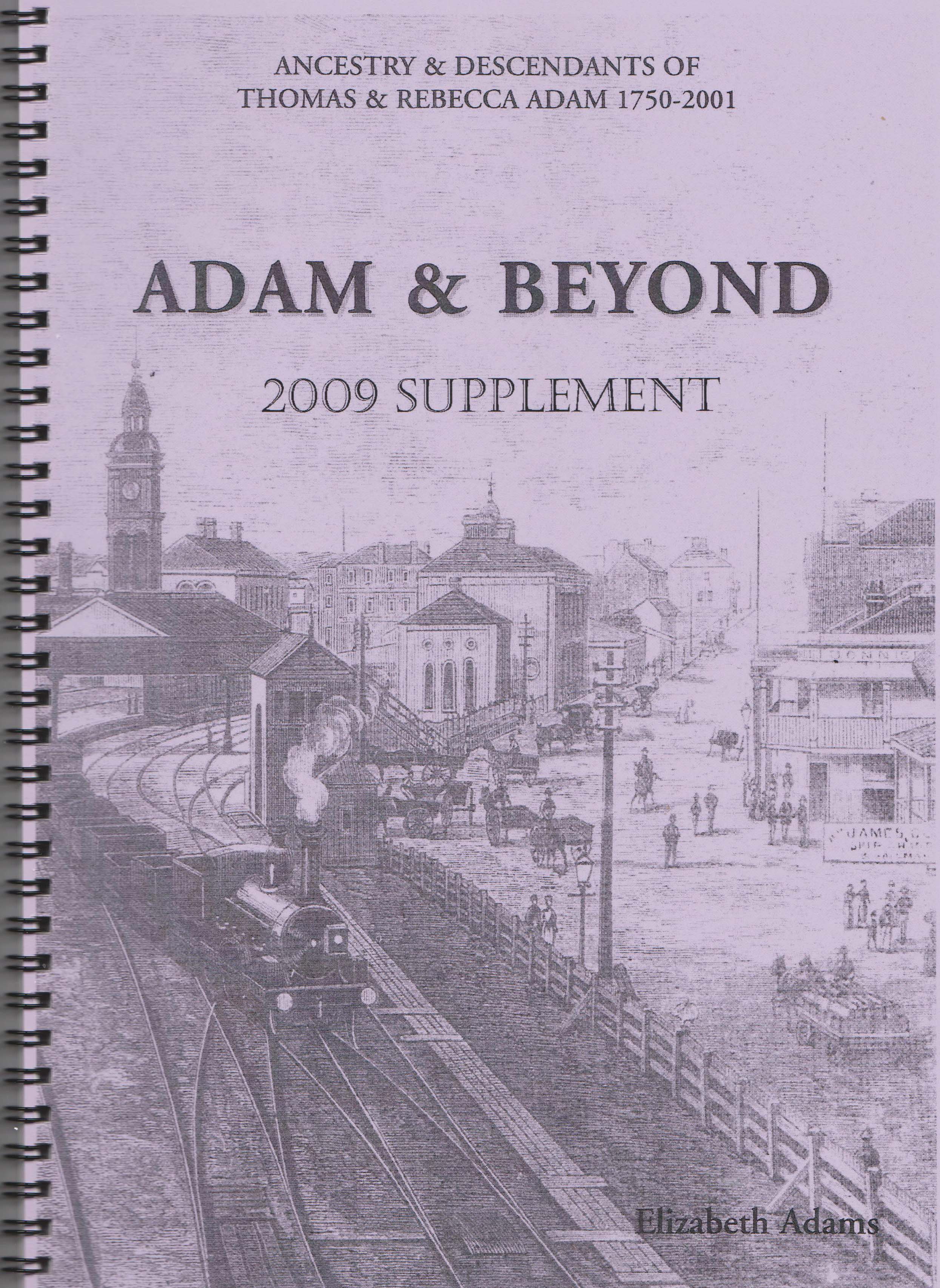
Adam & Beyond & Supplement

Ancestry & Descendants of Thomas & Rebecca Adam  Published 2001                      ISBN 0 9778 150 18

Adam & Beyond Supplement Published 2009                     ISBN 09578 50 35

These books followed the publication of ‘Uncommon Endeavour’ in 1998, the story of Thomas and Rebecca Adam. Unlike Thomas Adam, his children took on safe careers in the railways, which provided security for their families mainly in the Hunter district. They benefited from Thomas Adam’s vision to pave the way for a better life for his descendants in the rapidly developing colony of NSW.