
In the high summer of 1837, eighteen-year-old cabinetmaker Thomas Adam bade farewell to the weaving and manufacturing town of Kilmarnock in Ayrshire. He was one of the hand-picked recruits secured by the Presbyterian firebrand, the Reverend Dr John Dunmore Lang, whose vigorous government bounty scheme sought to leaven colonial New South Wales with the ‘cream of the artisan classes’—men of moral rectitude, steady hand, and strict sobriety.
Thomas brought credentials that spoke to generations of civic and spiritual service. His father, Thomas Adam Senior, served as Session Clerk, and his character was duly attested by the Reverend David Wilson. Master cabinetmakers Alexander Alexander and William McCredie provided glowing testimonials of his craft. Into his sea chest went the indispensable tools of his trade, a selection of books, James Maclehose’s newly printed Picture of Sydney, and his prized fiddle.
On 13 August 1837, Thomas joined more than two hundred fellow Scottish emigrants and thirteen German missionaries bound for Moreton Bay on the quayside at Greenock, boarding the 380-ton barque Minerva under the command of Captain Thomas Furlong. As the Firth of Clyde faded in the ship’s wake, the young cabinetmaker’s fiddle became a vital antidote to homesickness. During the opening weeks of the voyage, whenever the weather permitted, passengers gathered on the foredeck in the twilight to dance strathspeys and reels beneath the billowing canvas.
Yet life between decks was severe. In steerage, strict regulations prohibited open candles and smoking, plunging the cramped berths into utter darkness from nightfall until morning. Ventilation was poor, and the tropics brought oppressive heat. By November, as the Minerva traversed the lonely expanses of the southern oceans, foul water casks turned the hold into a breeding ground for typhus fever.
The voyage soon descended into a waking nightmare of delirium and dysentery. The tragedy deepened when a young married passenger, Donald McPhail, was swept overboard in heavy seas and lost to Davy Jones’ locker. Below decks, the ship’s surgeon struggled in vain; fourteen souls perished before Australian land was sighted.
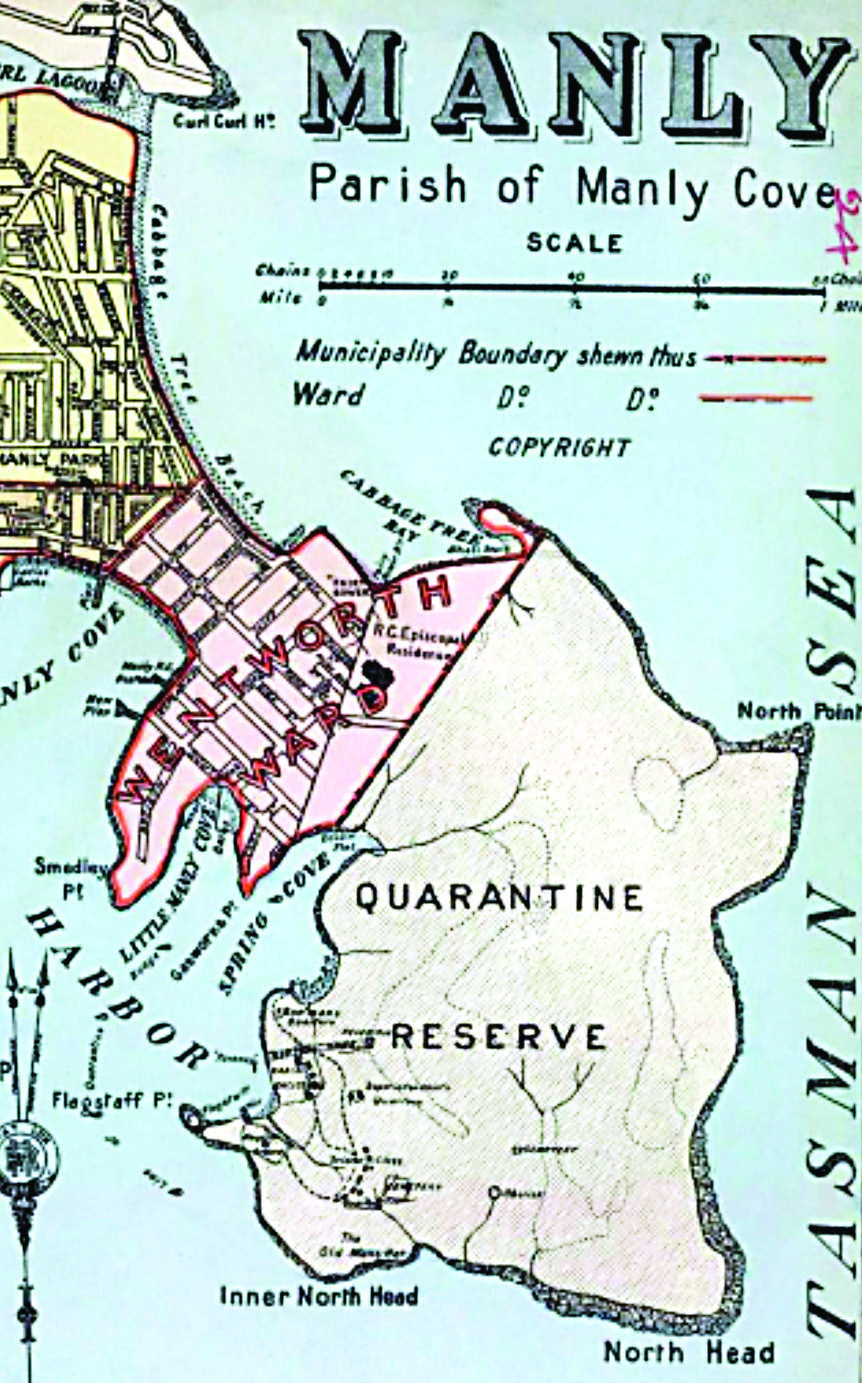
When the Minerva finally hove to off Sydney Heads on 23 January 1838, there was to be no triumphant landfall. The boarding pilot took one look at the stricken manifest—thirty-four passengers lay dangerously ill with fever—and ordered the vessel straight into Spring Cove at North Head. The colonial authorities had no intention of allowing ship-fever to take hold in the streets of Sydney.
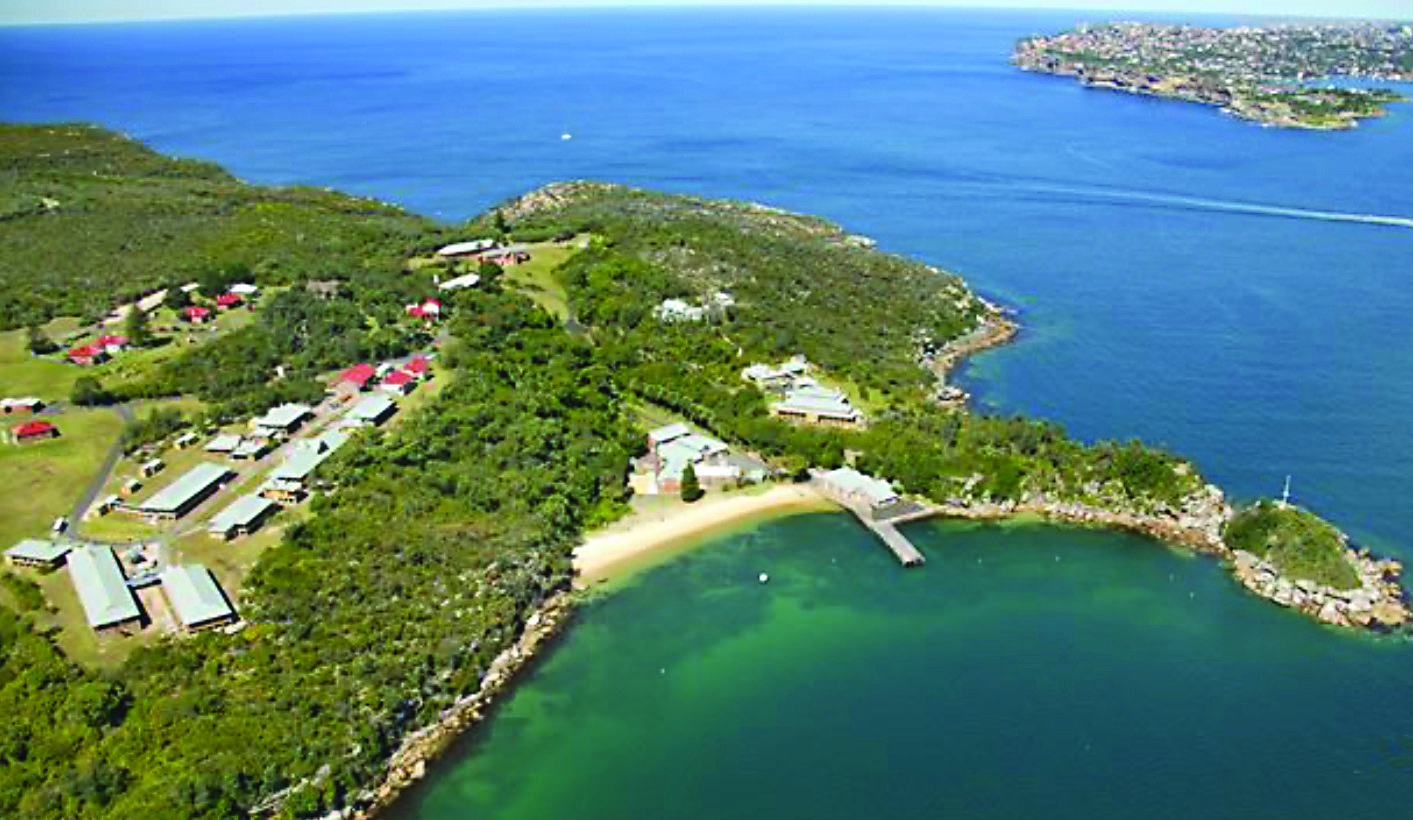
At the Spring Cove Quarantine Station, a hasty tent hospital was pitched along the sandy shore. The most desperate sufferers were separated and rowed up the harbour to the colonial hospital in Lower George Street under armed escort, while the remaining emigrants were subjected to rigorous isolation. Despite medical care, another eight passengers succumbed in the quarantine tents and were buried in unmarked graves in the sandy bushland above the cove.
Thomas Adam was among the fortunate survivors whose youth and constitution spared him from the worst of the pestilence. His introduction to the colony, however, consisted of forty-four grueling days in quarantine. Under the watchful eyes of colonial guards, the passengers scrubbed their possessions in boiling seawater and endured the stifling fumes of burning brimstone (sulphur) to fumigate their woollens and linens.
It was not until 6 March 1838 that the clean bill of health was granted. Disembarking at long last onto the bustling wharves of Sydney, Thomas Adam shouldered his tool chest, clutched his undamaged fiddle, and stepped out into the colony—an artisan tempered by water, grief, and fire.